CPCB's Latest Directive for NCR-Delhi Industries: Mandatory OCEMS & PTZ Camera Installation by December 31, 2025
The Central Pollution Control Board (CPCB) has issued a stringent directive mandating all air-polluting industries in the National Capital Region (NCR) and Delh..
Contents
Critical Deadline Alert: Industries Face Closure Risk for Non-Compliance
The Central Pollution Control Board (CPCB) has issued a stringent directive mandating all air-polluting industries in the National Capital Region (NCR) and Delhi to install Online Continuous Emission Monitoring Systems (OCEMS) and Pan-Tilt-Zoom (PTZ) cameras by December 31, 2025. With just weeks remaining until the deadline, over 2,254 highly polluting industrial units still haven't complied with these requirements.
Union Environment Minister Bhupender Yadav has made it clear that strict action, including immediate closure, will be taken against industries that fail to meet this deadline.
Understanding the CPCB Directive: What You Need to Know
Who Is Affected by This Mandate?
The CPCB directive specifically targets:
Priority Industries in NCR-Delhi:
- Textile manufacturing units
- Food and food processing industries
- Metal industries and foundries
- All medium and large-scale red-category industries
- Any industrial unit operating boilers, furnaces, or emission-generating equipment
The mandate applies to industries operating across Delhi and NCR districts in four states: Delhi, Haryana, Uttar Pradesh, and Rajasthan.
What Are OCEMS and Why Are They Mandatory?
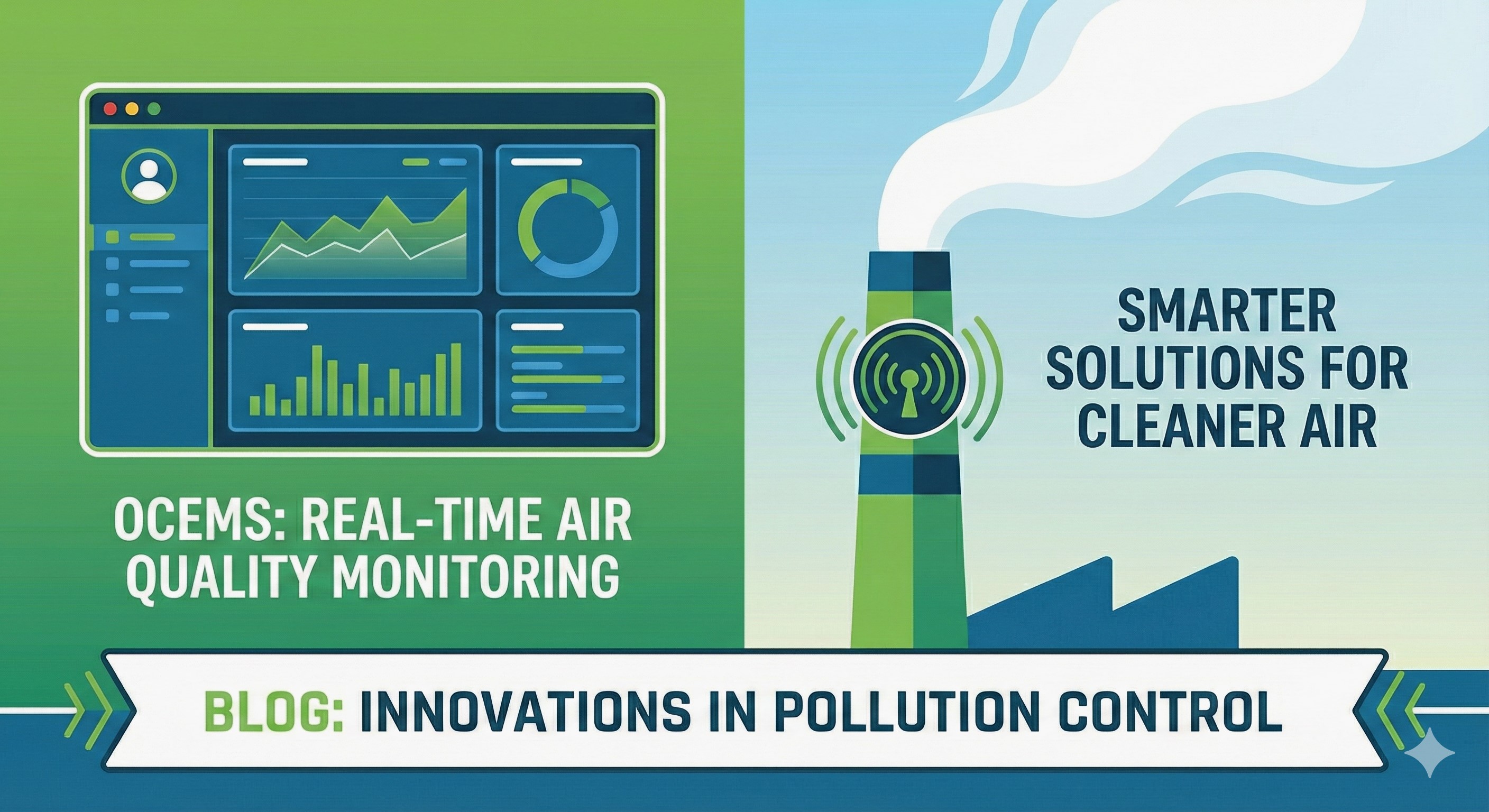
Online Continuous Emission Monitoring Systems (OCEMS) are advanced automated systems that continuously monitor and transmit real-time emission data directly to CPCB servers. These systems track critical pollution parameters including:
- Particulate Matter (PM) - Fine particles released into the air
- Sulfur Dioxide (SO2) - Harmful gas from fuel combustion
- Nitrogen Oxides (NOx) - Pollutants from high-temperature processes
- Other industrial emissions - Based on industry type and fuel used
The implementation of OCEMS represents a major shift from periodic manual monitoring to continuous, transparent real-time data reporting, eliminating opportunities for data manipulation or delayed corrective action.
PTZ Camera Installation Requirements
Technical Specifications for PTZ Cameras
Industries must install industrial-grade IP cameras with the following specifications:
Mandatory Features:
- Pan, Tilt, and Zoom (PTZ) functionality with 5x or above focal length
- Day and night vision capability for 24/7 monitoring
- Minimum resolution of 352 x 240 pixels or higher
- Real-time data streaming via leased line connection
- Direct connectivity to CPCB servers
Installation Guidelines:
- Cameras must focus on monitoring stations, stack outlets, and emission points
- For Zero Liquid Discharge (ZLD) units, cameras must monitor effluent channels
- Sensors and sampling points must be clearly visible in camera footage
- DVR/NVR backup for one-month data retention is mandatory
- Continuous operation without interruption
The PTZ cameras serve as a visual verification tool, allowing regulators to remotely monitor industrial operations and confirm that emission control equipment is functioning properly.
CSIR-NPL Certification Requirement
Critical Update: Only Certified OCEMS Will Be Accepted
Following directives issued on October 1 and October 9, 2025, the CPCB has mandated that only CSIR-NPL (Council of Scientific and Industrial Research - National Physical Laboratory) certified OCEMS can be connected to CPCB servers.
Key Points About Certification:
- 21 OCEMS models have been certified by CSIR-NPL for various parameters
- The certified models list is updated regularly on the CPCB website
- Industries must verify their equipment is NPL-certified before installation
- Non-certified systems will be rejected for connectivity
This certification ensures standardization, accuracy, and reliability of emission data across all monitoring stations nationwide.
Registration and Compliance Process
Step-by-Step Implementation Guide
1. Portal Registration
- Register on the new CPCB OCEMS/ODAMS portal
- Obtain industry login credentials from your State Pollution Control Board (SPCB)
- Submit complete company and facility information
2. Metadata Submission
Industries must provide comprehensive details including:
- GPS coordinates and geotagging of all monitoring stations
- Complete analyser details (model numbers, serial numbers, parameters monitored)
- Industry sector categorization and fuel type information
- Station location within the facility premises
- Contact information for technical personnel
3. System Integration
- Install NPL-certified OCEMS at all emission points
- Configure direct real-time data transfer to CPCB servers (15-minute intervals)
- Implement PTZ cameras according to SOP guidelines
- Establish leased line connectivity for uninterrupted data transmission
4. Calibration and Testing
- Follow revised calibration protocols as per CPCB guidelines
- Conduct zero and span calibration regularly
- Maintain calibration records and certificates
- Submit calibration data through the portal
5. Alert System Activation
- Configure automated alert systems for exceedance events
- Designate responsible personnel for immediate response
- Establish protocols for corrective action when thresholds are exceeded
Compliance Timelines and Deadlines
Industry-Specific Deadlines
The CPCB has established strict timelines based on industry classification:
NCR-Delhi Industries (All Categories):
- Final Deadline: December 31, 2025
- Installation of OCEMS with PTZ cameras
- Connectivity to CPCB server
- Submission of complete metadata
17 Highly Polluting Sector Industries (Pan-India):
- Already required to be compliant
- Enhanced monitoring parameters apply
Other Industries:
- November 15, 2025 (deadline already passed for general compliance)
- December 31, 2025 for NCR-specific requirements
With less than two weeks remaining, industries must act immediately to avoid penalties and closure orders.
Consequences of Non-Compliance
Legal and Operational Risks
The CPCB and Union Environment Ministry have made it clear that non-compliance will result in severe consequences:
Immediate Penalties:
- Closure orders for non-compliant units
- Suspension of operating licenses and consents
- Heavy financial penalties under Air Act (1981) and Water Act (1974)
- Legal action under Environment Protection Act (1986)
Long-Term Business Impact:
- Loss of credibility in Environmental, Social, and Governance (ESG) audits
- Negative impact on investor due diligence
- Difficulty obtaining future environmental clearances
- Reputational damage affecting business relationships
- Potential blacklisting from government contracts
Market Consequences:
- Disruption to production and supply chains
- Loss of competitive advantage
- Customer confidence erosion
- Difficulty accessing capital and loans
Over 2,254 highly polluting industries in Delhi-NCR are currently at risk of immediate closure if they fail to comply by the deadline.
Industry-Specific OCEMS Requirements
Textile Industry
Monitoring Parameters: Particulate Matter (PM)
Installation Points: All boilers and emission stacks
Additional Requirements: PTZ cameras at each monitoring station
Food and Food Processing Industry
Monitoring Parameters: Particulate Matter (PM)
Installation Points: Boilers, dryers, and cooking emissions
Special Considerations: Temperature-resistant equipment for high-heat processes
Metal Industries
Monitoring Parameters: PM, SO2, and NOx
Installation Points: All furnaces using:
- Met-coke as fuel
- Low Sulfur Heavy Stock (LSHS) oil
- Ultra-low or very low sulfur oil
- Critical Note: Multiple emission points require multiple OCEMS installations
Benefits of Early Compliance
Why Industries Should Act Now
Regulatory Advantages:
- Avoid closure risks and legal penalties
- Demonstrate environmental responsibility
- Build positive relationships with regulatory authorities
- Streamline future approval processes
Operational Benefits:
- Real-time monitoring enables quick identification of equipment malfunctions
- Optimize fuel consumption and reduce waste
- Improve process efficiency through data analytics
- Proactive maintenance reduces unexpected downtime
Business Value:
- Enhanced ESG ratings attract environmentally-conscious investors
- Compliance becomes a competitive differentiator
- Improved public image and stakeholder confidence
- Easier access to green financing and subsidies
Data-Driven Decision Making:
- Access to 15-minute interval emission data
- Identify trends and patterns in emissions
- Make informed decisions about equipment upgrades
- Benchmark performance against industry standards
Implementation Challenges and Solutions
Common Obstacles Industries Face
Challenge 1: Tight Timeline
With less than two weeks to December 31, many industries are scrambling to procure equipment, install systems, and complete testing.
Solution:
- Engage with pre-approved vendors offering NPL-certified systems
- Prioritize critical emission points for immediate installation
- Work with technology providers experienced in CPCB connectivity
- Consider turnkey solutions that include installation, commissioning, and training
Challenge 2: Technical Complexity
Setting up real-time data transmission, configuring alerts, and ensuring continuous connectivity requires IT infrastructure and expertise.
Solution:
- Partner with service providers offering end-to-end implementation
- Invest in dedicated IT personnel for system management
- Utilize cloud-based platforms for data management
- Conduct thorough staff training on system operation
Challenge 3: Multi-Location Coordination
Companies with facilities across different NCR states must coordinate compliance across SPCBs with varying digital maturity.
Solution:
- Designate a central compliance team to oversee all locations
- Standardize equipment and procedures across facilities
- Maintain regular communication with all relevant SPCBs
- Create a unified reporting and documentation system
Challenge 4: Capital Allocation
The investment required for OCEMS, PTZ cameras, connectivity infrastructure, and calibration equipment can be substantial.
Solution:
- Explore government subsidies and environmental financing options
- Consider the long-term operational savings from improved efficiency
- Factor in the cost of non-compliance (closure and penalties)
- Investigate leasing options for monitoring equipment
Data Transparency and Dashboard Access
The New Era of Real-Time Monitoring
One of the most significant aspects of this directive is the level of transparency it introduces. All emission data is now accessible to regulators through centralized dashboards, providing:
Real-Time Visibility:
- Instant access to current emission levels
- Historical trend analysis
- Automated exceedance notifications
- Comparative analytics across industries
Public Accountability:
- Emission data may be made available for public scrutiny
- Enhanced corporate accountability for environmental performance
- Pressure to maintain compliance at all times
Reduced Margin for Error:
- No opportunity for delayed reporting or data manipulation
- Instant flagging of deviations from permissible limits
- Immediate regulatory intervention when necessary
This transparency leaves no room for corrective delays or retrospective data adjustment, making continuous compliance essential rather than periodic.
Expert Recommendations for Immediate Action
Your 10-Day Compliance Checklist
Days 1-3: Assessment and Planning
☐ Identify all emission points requiring OCEMS
☐ Verify current equipment against NPL certification list
☐ Contact certified vendors for immediate procurement
☐ Assess IT infrastructure for connectivity requirements
☐ Designate compliance team and assign responsibilities
Days 4-6: Procurement and Preparation
☐ Order NPL-certified OCEMS and PTZ cameras
☐ Arrange for leased line internet connectivity
☐ Prepare installation sites (power supply, mounting structures)
☐ Gather all required metadata for portal submission
☐ Register on CPCB OCEMS/ODAMS portal
Days 7-9: Installation and Testing
☐ Install OCEMS at all designated points
☐ Mount and configure PTZ cameras
☐ Establish connectivity to CPCB servers
☐ Conduct calibration and system testing
☐ Train staff on system operation and maintenance
Day 10: Final Submission
☐ Submit complete metadata through portal
☐ Verify real-time data transmission
☐ Confirm alert system functionality
☐ Document all compliance activities
☐ Obtain confirmation from SPCB/PCC
Future of Environmental Compliance in India
What This Directive Signals
The CPCB's mandate for real-time emission monitoring represents a fundamental shift in India's approach to industrial pollution control. This move aligns with global best practices and demonstrates the government's commitment to:
Technology-Driven Regulation:
- Automated monitoring replacing manual inspections
- Data-driven enforcement decisions
- Reduced scope for corruption or regulatory capture
Proactive Pollution Prevention:
- Early detection of equipment failures
- Immediate corrective action capability
- Continuous improvement culture
International Standards Alignment:
- Meeting global environmental benchmarks
- Enhancing India's position in international trade
- Attracting environmentally conscious investment
Public Health Priority:
- Direct correlation between the directive and NCR's air quality crisis
- Focus on protecting vulnerable populations
- Long-term sustainability over short-term economic considerations
Industries that embrace this transition will be better positioned for future regulatory developments and changing stakeholder expectations.
Resources and Support
Where to Get Help
Official CPCB Resources:
- CPCB Website: cpcb.nic.in
- NPL-Certified OCEMS List: Regularly updated on CPCB website
- OCEMS Portal: Access through State Pollution Control Board
- Email Support: [email protected]
Regulatory Authorities:
- Delhi Pollution Control Committee (DPCC)
- Haryana State Pollution Control Board (HSPCB)
- Uttar Pradesh Pollution Control Board (UPPCB)
- Rajasthan State Pollution Control Board (RSPCB)
Technical Assistance:
- CSIR-NPL for equipment certification queries
- Technology service providers with CPCB experience
- Environmental consultants specializing in compliance
- Industry associations offering guidance
Conclusion: Act Now to Avoid Closure
The December 31, 2025 deadline for OCEMS and PTZ camera installation is non-negotiable. With the Union Environment Minister personally overseeing compliance and over 2,000 industries still non-compliant, the risk of closure is very real.
Industries must treat this as an urgent priority, not just a regulatory checkbox. The shift to real-time, transparent emission monitoring is here to stay, and early adopters will gain significant competitive advantages.
Immediate Action Steps:
- Review your current compliance status today
- Contact certified vendors immediately if not yet compliant
- Prioritize installation at critical emission points
- Ensure full connectivity and data transmission before December 31
- Document all compliance activities thoroughly
The cost of compliance is far less than the cost of closure. Protect your business, demonstrate environmental responsibility, and embrace the future of industrial operations in India.
Frequently Asked Questions
Q: Can I get an extension beyond December 31, 2025?
A: No. The Ministry has made it clear that strict action, including closure, will be taken against non-compliant units. No extensions are being granted.
Q: What if my equipment is already installed but not NPL-certified?
A: You must replace it with NPL-certified equipment. Only certified OCEMS will be accepted for connectivity to CPCB servers.
Q: How much will compliance cost?
A: Costs vary based on the number of emission points, type of industry, and specific monitoring parameters required. Budget for equipment, installation, connectivity, and ongoing calibration.
Q: What happens if my real-time data shows an exceedance?
A: CPCB will receive instant alerts. You must take immediate corrective action and document your response. Repeated violations will lead to penalties.
Q: Do small-scale industries need to comply?
A: The current directive focuses on medium and large-scale red-category industries. However, small-scale units should check with their local SPCB for specific requirements.
Download Link
Here is the link to download the CPCB Directive dated 9th October 2025
Spans
Spans empowers businesses around the world to grow faster and profitable while using less energy and water.
Visit Site